Citizen science
Coastal Microplastics
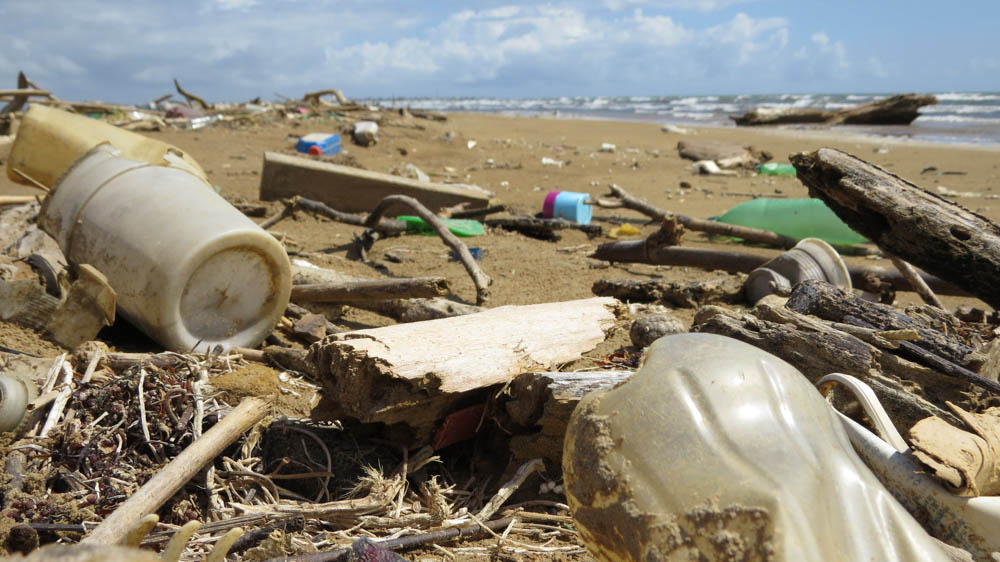
Small fragmented plastic particles that pollute the sea, rivers, and lakes are known as microplastics. Microplastics measure less than 5 millimeters and are ingested by various animals, entering the food chain and affecting both their health and the health of entire ecosystems. Because plastic does not degrade, these particles remain in the environment, floating in the water and reaching beaches and coastlines, where they mix with sand and other organic material.
How can you participate?
The purpose of this project is to study and share results with the public, providing essential information to help assess the scope of the problem and identify possible solutions. For this, we need people who love nature and want to help protect it. If you're interested in contributing to the study of coastal microplastics, contact us. We're looking for volunteers committed to conservation efforts across the country.
We focus on plastic fragments ranging in size from 1 mm to 25 mm. To study them, we use a simple scientific sampling protocol that you can carry out with friends, colleagues, or family members. In order to compare your data with that collected globally, we collaborate with the non-profit organization Just One Ocean through its project “The Big Microplastic Survey.” This global initiative gathers data on the most common types of microplastics found in coastal areas of seas, lakes, and rivers. By using the same protocol, you'll not only help us understand what's happening with microplastics in Argentina, but also contribute to globally recognized data that supports comprehensive conservation efforts around the world.
This activity is supported by: